Imo one issue is that humanoid robots might be useful in settings where they replace humans in existing structures or work alongside them.
But for deeper automation you’d want to design workflows from the ground up with robots in mind. And in that case I bet that humanoid robots are hardly ever the optimal solution.
I think AI might often have the same issue where it speeds up existing, but flawed workflows. Which, when thought up from the ground up, might have a better solution that is a deterministic program.
But where AI is fast to throw on a problem and outside of energy comparatively cheap, robots are a much higher investment in a space that usually has lower profit margins than software/services.
But for deeper automation you’d want to design workflows from the ground up with robots in mind. And in that case I bet that humanoid robots are hardly ever the optimal solution.
These are starting to exist: China has “dark factories” where the lights are usually turned off because they function fully automated. Ongoing automation is a thing, truly useful humanoid robots are not. That’s by the way also true for military technology which is often a glimpse into the technical future.
Yeah, and it certainly isn’t just china. Tom Scott had this video some years ago by now, that imo is a nice example how different a warehouse could look when it is designed for robots rather than humans.


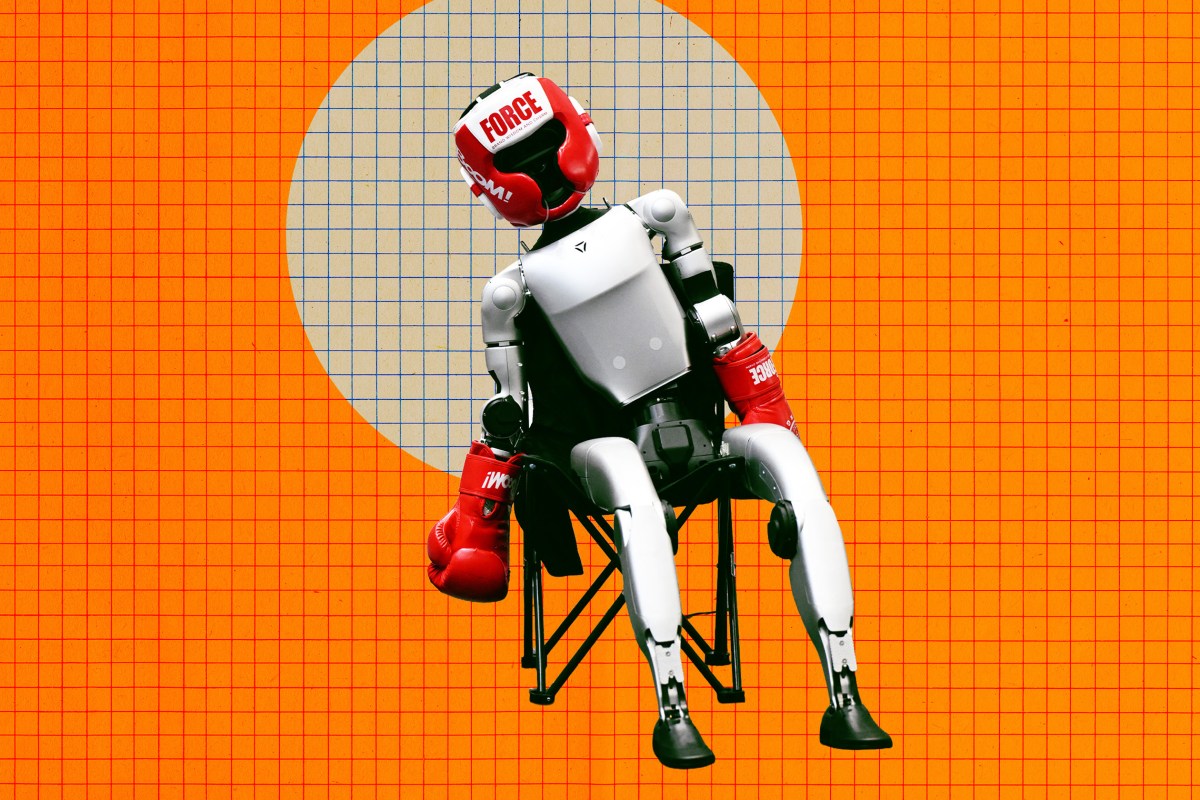
Imo one issue is that humanoid robots might be useful in settings where they replace humans in existing structures or work alongside them.
But for deeper automation you’d want to design workflows from the ground up with robots in mind. And in that case I bet that humanoid robots are hardly ever the optimal solution.
I think AI might often have the same issue where it speeds up existing, but flawed workflows. Which, when thought up from the ground up, might have a better solution that is a deterministic program. But where AI is fast to throw on a problem and outside of energy comparatively cheap, robots are a much higher investment in a space that usually has lower profit margins than software/services.
These are starting to exist: China has “dark factories” where the lights are usually turned off because they function fully automated. Ongoing automation is a thing, truly useful humanoid robots are not. That’s by the way also true for military technology which is often a glimpse into the technical future.
Yeah, and it certainly isn’t just china. Tom Scott had this video some years ago by now, that imo is a nice example how different a warehouse could look when it is designed for robots rather than humans.