

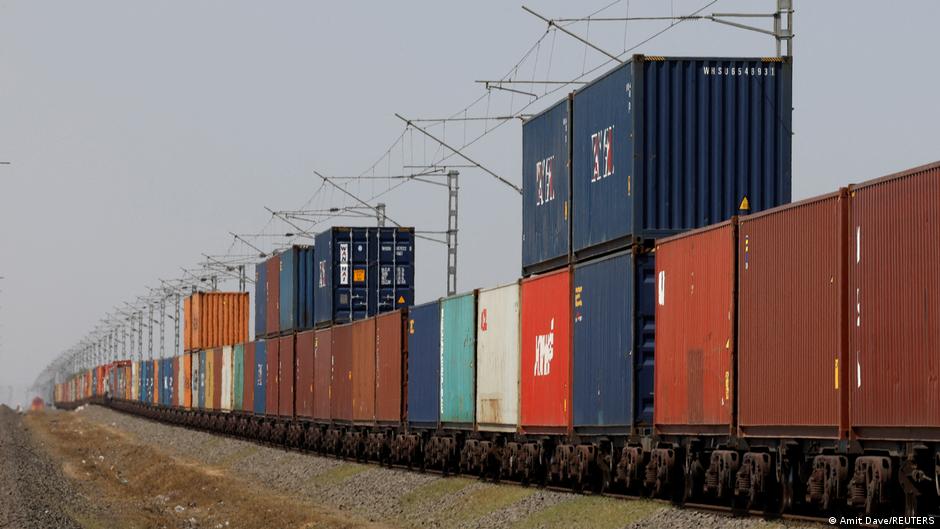
India has pushed ahead of Japan as the world’s fourth-biggest economy after sustained high growth, New Delhi says. Economic pace has apparently picked up more quickly than expected and India may soon claim third place.
India has pushed ahead of Japan as the world’s fourth-biggest economy after sustained high growth, New Delhi says. Economic pace has apparently picked up more quickly than expected and India may soon claim third place.
The Japanese public are definitely not willing to lend to the government at such low interest rates. The majority holder of Japanese bonds is the Bank of Japan, who needs to purchase large amounts of bonds to conduct its monetary policy. This has lead to some accusations of the two having an incestuous relationship, when central banks are supposed to be independent.
Before the Bank of Japan started hiking interest rates, most Japanese people were stuck in a liquidity trap, where they had to pay to store money in the bank. This was due to a combination of low/negative interest rates, and lots of banking fees due to the oligopolistic banking sector. 7-eleven (the convenience store) bank is unironically the fastest growing bank there, in no small part because they were the only bank with a wide ATM network which didn’t charge fees during business hours.
It is certainly… interesting that the Japanese government, with access to such cheap credit, decides to invest it abroad for higher returns, rather than invest it domestically and pursuing structural reforms to improve its own growth, and in doing so perpetuating the spread between government assets and liabilities.
FYI there are a lot of investors who do this exact trade, i.e. borrow cheap money from Japan, and invest it abroad.
But that capital that the bank is providing the government with is from the Japanese public, yes, who are lending it to the bank for a low return?
searches
https://www.ft.com/content/23b560a4-f0f1-44a9-94af-88d4807211f4
I think you misunderstand what the Bank of Japan is. It is a central bank, so it does not take deposits from households, and buys government debt by controlling money supply (i.e. printing money). It holds around 46% of Japanese government debt, far more than domestic insurance companies and domestic banks (~15% each).