

- cross-posted to:
- [email protected]
From emancipation to women’s suffrage, civil rights and BLM, mass movement has shaped the arc of US history
Trump’s first and second terms have been marked by huge protests, from the 2017 Women’s March to the protests for racial justice after George Floyd’s murder, to this year’s No Kings demonstrations. But how effective is this type of collective action?
According to historians and political scientists who study protest: very.
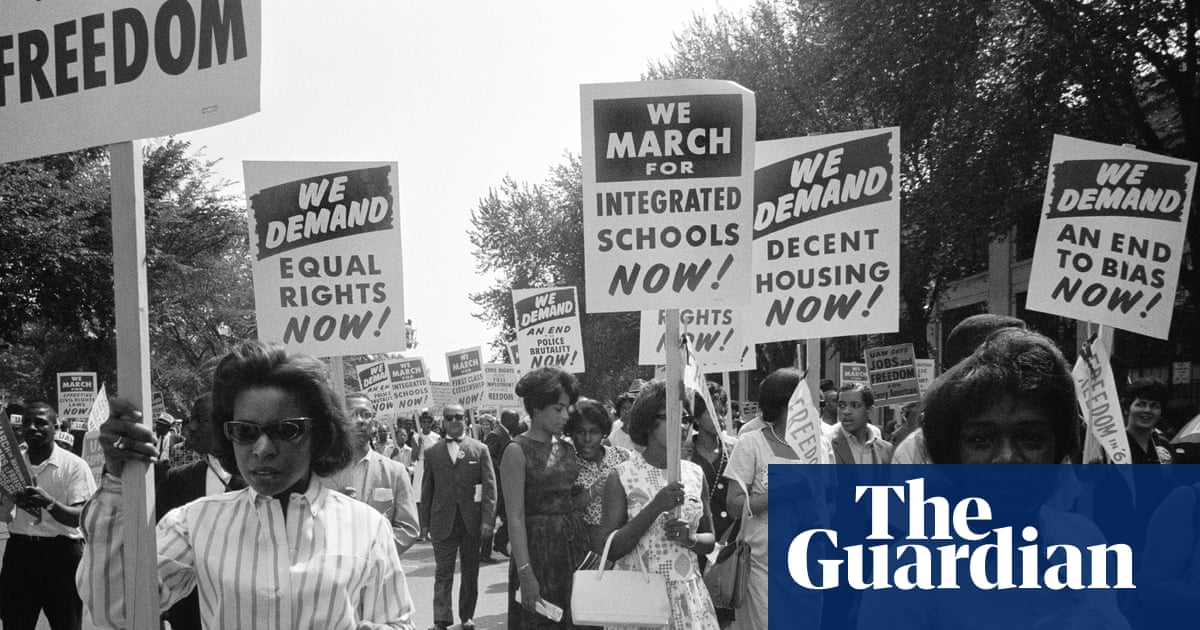
From emancipation to women’s suffrage, from civil rights to Black Lives Matter, mass movement has shaped the arc of American history. Protest has led to the passage of legislation that gave women the right to vote, banned segregation and legalized same-sex marriage. It has also sparked cultural shifts in how Americans perceive things like bodily autonomy, economic inequality and racial bias.
Having had numerous discussions on different protests and pondering about what the most effective form of protest is, I find this article a nice addition in the endeavour of answering exactly that. So thanks for sharing. It’s interesting to see, that peaceful protests have been more effective in the considered cases. However, I am under the impression that a final judgement is still not possible. According to what I have gathered so far even more violent protests may be shown to be effective. A classic, prominent example are suffragettes and their bombings, arsony, destruction of property etc… How effective protect can become and the level of acceptance within the population seems to depend highly on further cultural and/or societal contexts as well. For instance, one could argue that suffragettes had more leverage due to the immense efforts and losses during WWI, which inevitably made the societal backbone more dependent on women. It’s important to note, however, that suffragettes were a long running movement that has started to shape public discussion far earlier than WWI and it would not be accurate to reduce their achievements to their more violent protests alone. More precisely, it is debatable whether violence even was a positively contributing factor at all. At the very least, it can be argued that suffragettes were successfull despite these violent acts.
Another important factor seems to be how directly actionable the goals of the respective movements are. Combining with that, also how much of behavioural change is asked of the people in general. For example, protesting against violent police actions shifts the focus away from the general public and shapes the state as the responsible actor while climate protests may demand significant changes of each individual (in addition to policy changes). Furthermore, in this example, protesting for a change in the education and regulation of policeforces appears to have less requirements while counteracting climate change is much more demanding as it comes with significantly more challenges.
If you read the guys who notices the 30% ish never. They have said it is becoming less successful as the oppressors learn from each other. Also probably better survalence.