

According to the often-cited 3.5% rule, if 3.5% of a population protests against a regime, the regime will fail. Developed by political scientists Erica Chenoweth and Maria Stephan, who researched civil resistance campaigns from 1900 to 2006, the rule has seen renewed interest in leftist circles recently, especially with No Kings protests attracting historic numbers.
…
This shows the outsize impact a single protester can have, the study’s authors say. That’s because having one more attender at a demonstration rallies more support for a political cause than acquiring one more vote during an election does.
…
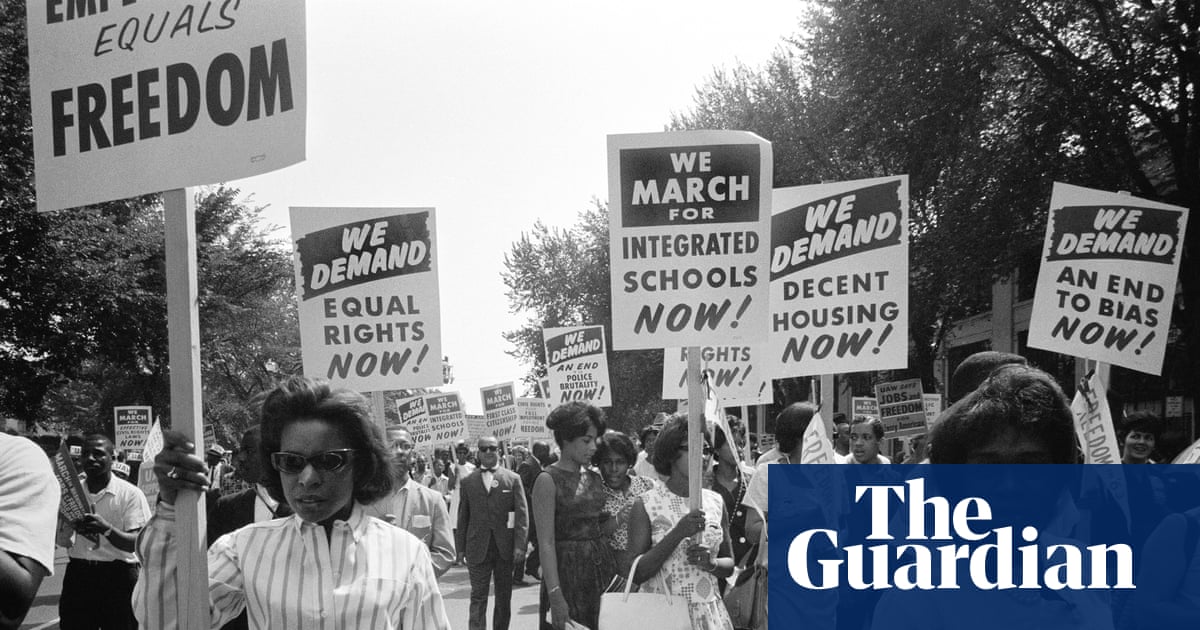
In the context of civil rights, the movement’s ability to elicit violence from its opponents – such as in 1965, when armed police violently attacked peaceful protesters crossing the Edmund Pettus Bridge in Selma, Alabama – only strengthened public support for the cause. “When the state is perceived as engaging in excess use of force, that tends to generate very sympathetic coverage, and that drives concern,” explained Wasow.
The idea that the Civil Rights Movement was primarily a protest movement is absolutely inane (this is a non-exhaustive list of inane claims made in this article).
Dr Luther King had a dream and everyone was like “Yo, that’s awesome!” and then racism ended