Jim East
I am not Jim West.
- 1.43K Posts
- 623 Comments





 2·9 days ago
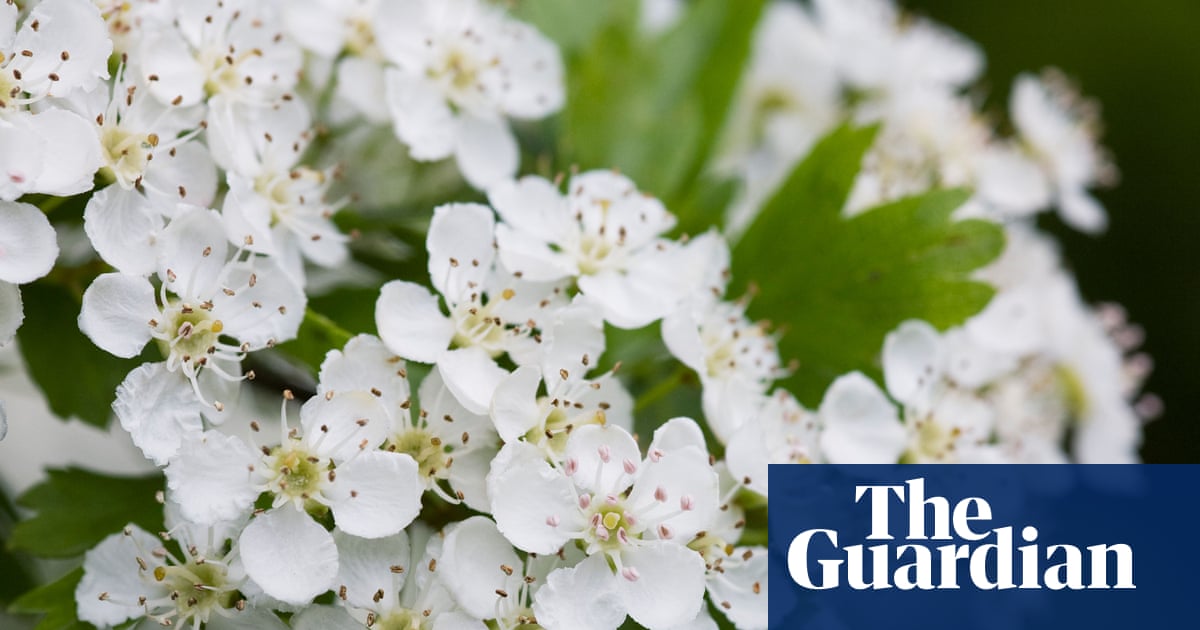
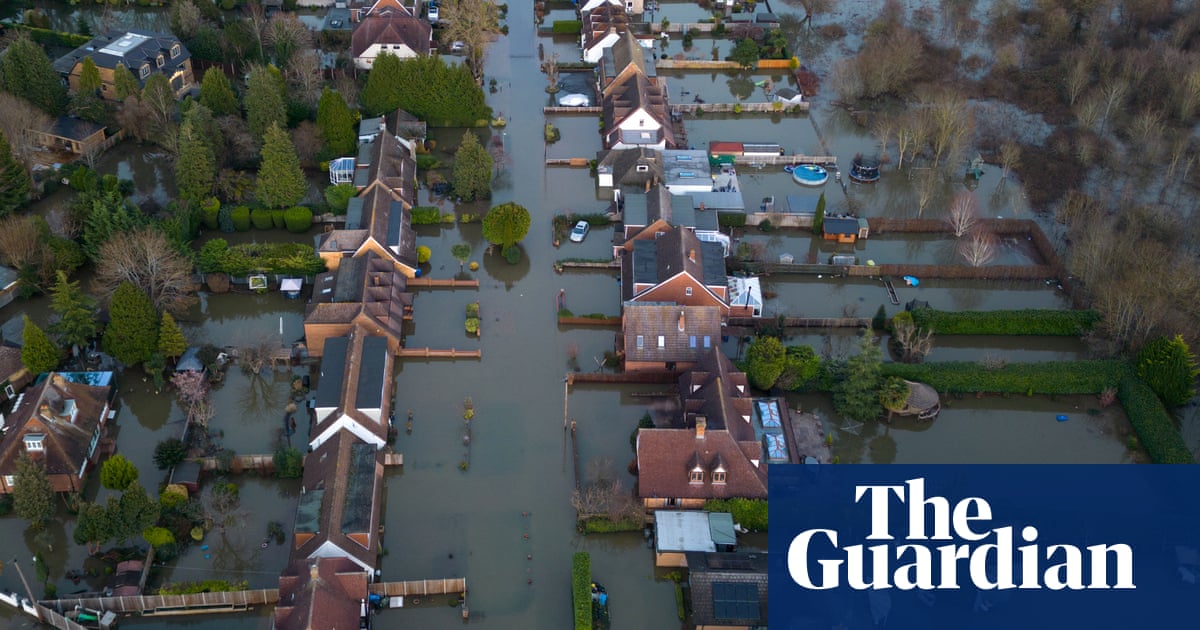
Its thorny protective canopy supports biodiversity and helps alleviate flooding risks from summer thunder-showers through effective water uptake.
Diverse trees also provide benefits to the garden because different species have different root architecture, which improves the health and structure of the soil.
layered canopies, ranging from ground covers to herbaceous perennials, shrubs and trees of various sizes, which has the benefit of maximising species diversity in limited spaces, and providing protective benefits against climate extremes (hot and cold) offered by this approach.
 1·9 days ago
For the automotive industry, I think that they mean Interior parts that aren’t exposed to the weather.




 13·10 days ago
The massive dairy industry with a stranglehold on Indian culture and politics says hello.



I am a furry woodland creature, and I approve this meme.
EDIT: I am using “furry” as a synonym for “mammalian” here.

my bees
my goats and chickens and cows
Owning other beings as property is not solarpunk.
 5·19 days ago
As a logical conclusion of this course of action of only consuming a diet of basically fruits and humans who died naturally, the hivemind acknowledges that they will eventually run out of food and starve to death
I’m not familiar with this fictional world, so I may be missing something obvious, but is there something preventing them from planting more fruit trees?
 1·22 days ago
But they didn’t do it out of recognition of the rights of dogs and cats. Fuck these headline writers.
 1·22 days ago
Captcha-walled. Can you upload the image of the inside of the green passionfruit in a reply to this comment?
Definitely not that.
Other than jackfruit, I have various year-round fruits in abundance right now (banana, papaya, capsicum, little sour things), some fruits from Jim West bearing out of season (Patinoa almirajo, Annona
sclerodermaliebmanniana, various others), and arazá (Eugenia stipitata). I received three arazá plants as a gift, and two of them fruit more or less continuously, but the largest fruited a bit last year and nothing at all this year, even after being pruned. Strange.EDIT: Many other things too. I use Inga edulis mainly for biomass/mulch, but I let some of the trees grow up to produce fruit, and those are starting. Ananás come and go. Still waiting to see what the safou (Dacryodes edulis) trees do, if anything… I’m also beginning to suspect that Canarium schweinfurthii is not worth planting for the fruit, but that’s another topic…
What’s the fruit fly situation with your guava(s)? I’ve heard over and over that in South America the fruits are almost all full of maggots but that in Asia it isn’t a problem.
 3·1 month ago
One of the highest emitters in recent years was the Cadereyta refinery, run by Mexico’s state-owned oil company Petróleos Mexicanos (Pemex). The plant can also be seen from satellites in space as one of the biggest emitters in the world of sulphur dioxide, which contributes to smog.
Ironically, whether they know it or not, a refinery with such high sulphur dioxide emissions is actually countering climate change by cooling the Earth…
The closest cyclone to the equator was the 2001 Tropical Storm Vamei which formed at just 1.4°N. Cyclone Senyar formed at 3.8°N.
The safe zone at the equator is narrow. If choosing to settle near the coast, there really isn’t much choice when it comes to latitude.

 1·1 month ago
It is done.
 2·1 month ago
We also see very little action from investors or consumers to support the sustainable harvest of non-timber forest products such as Brasil nuts as an alternative to the products of deforestation. People must shift their mindset to value the forest more when it is standing than when it has been cut.
It is common knowledge that, of all greenhouse gases, CO2 is the most responsible for global warming.
This is true due to the fact that there is so much more of it in the air than there is of any other greenhouse gas. On a per molecule basis, methane and nitrous oxide are MUCH more potent GHGs than carbon dioxide.
The measurement was taken at approximately 1.5 meters (5 feet) above the ground on trees with diameters more than 10 centimeters (4 inches).
That has long been the standard way to measure the diameter of a tree, so in this age of statistical manipulation, I am grateful that that is how they did it…
Amazonia, where most of the sites included in the study are, is better preserved and has been subject to less reduction in temperature and precipitation.
Yes, many people probably don’t realise that climate change also brings periods of extreme cold to some regions and that this can be a major problem too. (People in the SE Amazon, and especially in Uruguay and Argentina, probably learned that the hard way this past July.)
“This balance could flip at some point, like when the droughts become more severe. But for now, the rainforest is staying resilient and managing to respond to the higher CO2 levels by increasing in size,” Esquivel-Muelbert says.
“Our results don’t mean that Amazonia isn’t at risk because of climate changes. We don’t know how it will respond to more changes in the future, nor do we know if it will keep growing like this as the climate continues to heat up and droughts and extreme climate events become more common. It will be very important to keep monitoring these forests in the future,” Morgan adds.
The study’s two main authors also comment that it is critical to protect these mature trees by fighting deforestation and forest fragmentation, so they can remain standing and keep doing their valuable work in regulating Earth’s climate.
“We can’t simply plant new trees and expect that they will offer the same carbon or biodiversity benefits that natural old-growth forest does,” Morgan says.
Plant new trees, but keep the old. One is silver and the other gold.
Is this really a new discovery? People I know have been using old plastic crates in the nursery to air-prune the roots for as long as I can remember. If I had known that people elsewhere hadn’t figured it out, I would have posted about it sooner…
 2·1 month ago
That is worth mentioning in the wiki.
more benefits of planting native forest trees