Something I emphasized once to a religious person I know, which seemed to be taken well in their case at least, was that whether you believe in a specific religion or not, it’s undeniably going to get influenced by the society it exists within. The reason I bring this up is, maybe Jesus was a real person and was terrible, maybe he was a real person and was akin to a socialist but various interpretations of Christianity over time have warped what he said and did to make him look like something else, maybe he wasn’t a real person and is more of an amalgamation of figures and influences from the era. Whatever way it goes, people still have to choose what they’re going to support as okay or not okay right now and they can and should have a say in what their religion is like if they’re going to be a part of it. Otherwise, they are deferring a senseless amount of authority to the supernatural, akin to being something like a slave to it. Even religious teachings will often say that stuff happening on Earth is tainted by human “flaws” in some way - that’s going to include teachings themselves! When people cede power to an institution run by human beings and then believe that the institution is actually being magically run by a god somehow, they are just ceding power to other human beings with some denial involved. The institution should serve the needs of the people, in other words, not become a tool of justifying their oppression.
It’s not about coping. The bible is a book written by human beings with words that can be changed and have been changed and passed through languages and institutions of power. Nobody actually goes by all of what it says literally, even if some of them claim to act on various parts of it based on their particular interpretation. Even those who believe some kind of divine inspiration is involved in the bible would have to admit, on inspection, that it can’t all divinely be inspired to full correctness when it’s such a mess of portrayals and narratives.
I agree with your first sentence generally. I just don’t think religion has to be oppressive inherently, but it is instead largely a reflection of the dominant power structure. And I’m doubtful that it’s going to go away any time soon, even if oppressive power structures are dismantled, but that it will have to adapt in order to continue as I believe it has often done in the past.
Then we…don’t need it at all? If you can just change whatever words to fit whatever you need at any time then there’s no point to it whatsoever. It doesn’t give us anything inherently that secularism doesn’t.
I’m not saying it can be changed to whatever at any time, but rather that it is capable of adapting to a certain degree and often has to in order to continue. Certain core beliefs are going to stay largely the same, else a given religion stops being the religion that it is and becomes some other religion.
Religion does have things to offer that secularism doesn’t; at least insofar as we’re talking about modern nihilistic secularism under capitalism (secularism under a socialist state may take on a different character, I don’t have the benefit of living under one to know very clearly on that). It’s been a while so he could be sus in views, I don’t know, but years back in my lib days, I remember watching a talk by Alain de Botton where he goes over the ceremonial and community aspects of religion and basically argues that these serve a purpose that purely secular life lacks. I’m not expecting you to go find that and watch it, but it stands out to me as a point of contention on the issue and I think it’s a valid one. And based on my personal experience with religion people and with certain kinds of people (people who are more drawn to tradition, ceremony, etc.), I’m inclined to believe that whether it’s technically religion or no, some people are going to find ways to do things in a manner similar to the solemnity and reverence of religion.
We have to contend with the fact that there are billions of people who believe in a religion. According to a quick search, it would appear if the polling is to be trusted, the majority in fact believe in a religion. So I’m looking at this not just from the standpoint of what I’d personally prefer, but also what the current reality of it is. Although not everybody goes super dedicated into their religion, religious belief can be an extremely fervent and staunch thing, with some people willing to martyr themselves over their faith. It’s far from arbitrary. It’s just that it’s not more powerful than material conditions and the barrel of a gun. That doesn’t mean religious people are going to happily and easily give up religion and replace it with nothing.

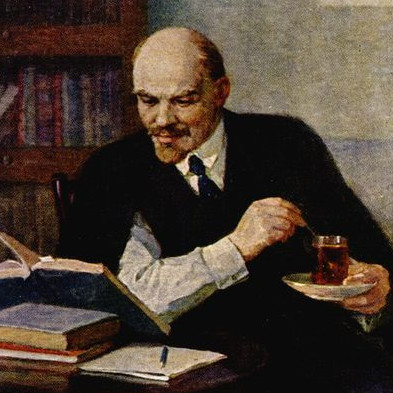

Something I emphasized once to a religious person I know, which seemed to be taken well in their case at least, was that whether you believe in a specific religion or not, it’s undeniably going to get influenced by the society it exists within. The reason I bring this up is, maybe Jesus was a real person and was terrible, maybe he was a real person and was akin to a socialist but various interpretations of Christianity over time have warped what he said and did to make him look like something else, maybe he wasn’t a real person and is more of an amalgamation of figures and influences from the era. Whatever way it goes, people still have to choose what they’re going to support as okay or not okay right now and they can and should have a say in what their religion is like if they’re going to be a part of it. Otherwise, they are deferring a senseless amount of authority to the supernatural, akin to being something like a slave to it. Even religious teachings will often say that stuff happening on Earth is tainted by human “flaws” in some way - that’s going to include teachings themselves! When people cede power to an institution run by human beings and then believe that the institution is actually being magically run by a god somehow, they are just ceding power to other human beings with some denial involved. The institution should serve the needs of the people, in other words, not become a tool of justifying their oppression.
I think the institution shouldn’t exist at all if it justifies oppression. No amount of coping is going to change what the bible actually says.
It’s not about coping. The bible is a book written by human beings with words that can be changed and have been changed and passed through languages and institutions of power. Nobody actually goes by all of what it says literally, even if some of them claim to act on various parts of it based on their particular interpretation. Even those who believe some kind of divine inspiration is involved in the bible would have to admit, on inspection, that it can’t all divinely be inspired to full correctness when it’s such a mess of portrayals and narratives.
I agree with your first sentence generally. I just don’t think religion has to be oppressive inherently, but it is instead largely a reflection of the dominant power structure. And I’m doubtful that it’s going to go away any time soon, even if oppressive power structures are dismantled, but that it will have to adapt in order to continue as I believe it has often done in the past.
Then we…don’t need it at all? If you can just change whatever words to fit whatever you need at any time then there’s no point to it whatsoever. It doesn’t give us anything inherently that secularism doesn’t.
I’m not saying it can be changed to whatever at any time, but rather that it is capable of adapting to a certain degree and often has to in order to continue. Certain core beliefs are going to stay largely the same, else a given religion stops being the religion that it is and becomes some other religion.
Religion does have things to offer that secularism doesn’t; at least insofar as we’re talking about modern nihilistic secularism under capitalism (secularism under a socialist state may take on a different character, I don’t have the benefit of living under one to know very clearly on that). It’s been a while so he could be sus in views, I don’t know, but years back in my lib days, I remember watching a talk by Alain de Botton where he goes over the ceremonial and community aspects of religion and basically argues that these serve a purpose that purely secular life lacks. I’m not expecting you to go find that and watch it, but it stands out to me as a point of contention on the issue and I think it’s a valid one. And based on my personal experience with religion people and with certain kinds of people (people who are more drawn to tradition, ceremony, etc.), I’m inclined to believe that whether it’s technically religion or no, some people are going to find ways to do things in a manner similar to the solemnity and reverence of religion.
We have to contend with the fact that there are billions of people who believe in a religion. According to a quick search, it would appear if the polling is to be trusted, the majority in fact believe in a religion. So I’m looking at this not just from the standpoint of what I’d personally prefer, but also what the current reality of it is. Although not everybody goes super dedicated into their religion, religious belief can be an extremely fervent and staunch thing, with some people willing to martyr themselves over their faith. It’s far from arbitrary. It’s just that it’s not more powerful than material conditions and the barrel of a gun. That doesn’t mean religious people are going to happily and easily give up religion and replace it with nothing.