The study of history is explicitly Eurocentric. Oral traditions are typically just accepted within a culture. The desire to compare, authenticate, calibrate, and contextualize is a Western philosophical tradition and absolutely tied to colonialism as far back as ancient Rome and Greece.
The desire to compare, authenticate, calibrate, and contextualize is a Western philosophical tradition
Huh? You don’t think the Asian civilisations of East and West Asia knew of studying history? I guess the Islamic golden age was western too? Because ‘the west’ during the dark ages wasn’t exactly known for comparing, authenticating, calibrating or contextualizing. While the Islamic world was the center for most contemporary sciences. It’s really really weird, and ironically extremely eurocentric to assume that analytic thinking is a European invention. The Mayan calendar is astronomically more correct than the contemporary western Julian calendar for example. How do you suppose the pre Columbian Mayans got there without any contact with this imaginary superior western philosophical tradition? Do you assume it was through ‘oral traditions’? JFC
Math and science aren’t history. Yes we owe an incredible debt to Islamic scholars for contributions to mathematics. That ain’t history.
If you took a university course in history, you studied from a western perspective. I will stand to be corrected but I don’t know of any non-religious university that doesn’t teach from the western tradition.
They are not, but they do involve the need to “compare, authenticate, calibrate, and contextualize”, which you stated was a western philosophical tradition. I was objecting to that characterization, because it implies that other cultures have had to learn from westerners that it’s desirable to “compare, authenticate, calibrate, and contextualize”.
Yes we owe an incredible debt to Islamic scholars for contributions to mathematics. That ain’t history.
Again, you’re selling the Islamic golden age very very cheap. Islamic scholars contributed far more than only mathematics and science. Among other subject, there’s a rich traditions in the study of history and a long list of muslim historians starting from the seventh century. Major figures like Ibn Khaldun have made massive contributions to the study of history. Likewise within the field of philosophy, where Islamic scholars have made major contributions. Isalmic philosophers have also played an important role in the survival of greek litterature and philosophy when Europe had regressed to the dark ages.
If you took a university course in history, you studied from a western perspective.
There’s big difference between this and the statement that the desire to do actual study of history is a western tradition. The west has been hegemonic worldwide for a good while, so it’s not strange that the dominant hegemonic power has had the largest influence on how the study is conducted in universities today. But even today, a major part of that western perspective that is dominant in the universities is bulit on the work of other cultures. To reduce everyone except the west to “oral traditions”, as if everyone but the west were hunter gatherers is strange, and ironically completely disregards the rich history of the study of history.


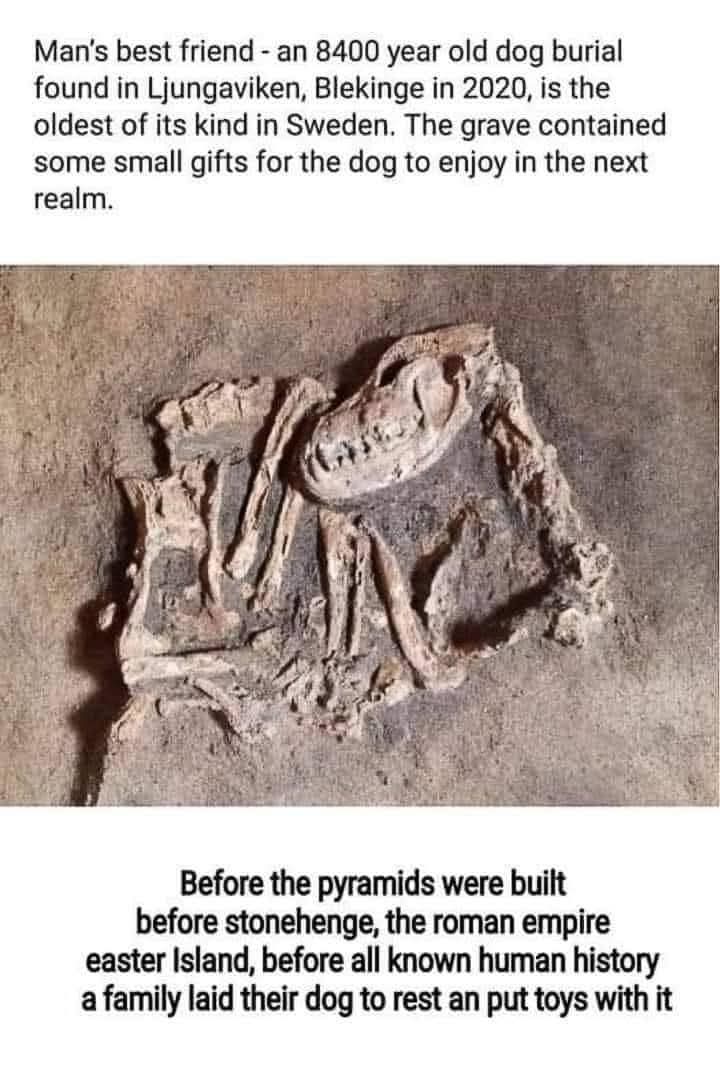
The study of history is explicitly Eurocentric. Oral traditions are typically just accepted within a culture. The desire to compare, authenticate, calibrate, and contextualize is a Western philosophical tradition and absolutely tied to colonialism as far back as ancient Rome and Greece.
That far from invalidates the approach.
Huh? You don’t think the Asian civilisations of East and West Asia knew of studying history? I guess the Islamic golden age was western too? Because ‘the west’ during the dark ages wasn’t exactly known for comparing, authenticating, calibrating or contextualizing. While the Islamic world was the center for most contemporary sciences. It’s really really weird, and ironically extremely eurocentric to assume that analytic thinking is a European invention. The Mayan calendar is astronomically more correct than the contemporary western Julian calendar for example. How do you suppose the pre Columbian Mayans got there without any contact with this imaginary superior western philosophical tradition? Do you assume it was through ‘oral traditions’? JFC
Math and science aren’t history. Yes we owe an incredible debt to Islamic scholars for contributions to mathematics. That ain’t history.
If you took a university course in history, you studied from a western perspective. I will stand to be corrected but I don’t know of any non-religious university that doesn’t teach from the western tradition.
Edited for grammer and fat fingers.
They are not, but they do involve the need to “compare, authenticate, calibrate, and contextualize”, which you stated was a western philosophical tradition. I was objecting to that characterization, because it implies that other cultures have had to learn from westerners that it’s desirable to “compare, authenticate, calibrate, and contextualize”.
Again, you’re selling the Islamic golden age very very cheap. Islamic scholars contributed far more than only mathematics and science. Among other subject, there’s a rich traditions in the study of history and a long list of muslim historians starting from the seventh century. Major figures like Ibn Khaldun have made massive contributions to the study of history. Likewise within the field of philosophy, where Islamic scholars have made major contributions. Isalmic philosophers have also played an important role in the survival of greek litterature and philosophy when Europe had regressed to the dark ages.
There’s big difference between this and the statement that the desire to do actual study of history is a western tradition. The west has been hegemonic worldwide for a good while, so it’s not strange that the dominant hegemonic power has had the largest influence on how the study is conducted in universities today. But even today, a major part of that western perspective that is dominant in the universities is bulit on the work of other cultures. To reduce everyone except the west to “oral traditions”, as if everyone but the west were hunter gatherers is strange, and ironically completely disregards the rich history of the study of history.
deleted by creator