

- cross-posted to:
- [email protected]
From emancipation to women’s suffrage, civil rights and BLM, mass movement has shaped the arc of US history
Trump’s first and second terms have been marked by huge protests, from the 2017 Women’s March to the protests for racial justice after George Floyd’s murder, to this year’s No Kings demonstrations. But how effective is this type of collective action?
According to historians and political scientists who study protest: very.
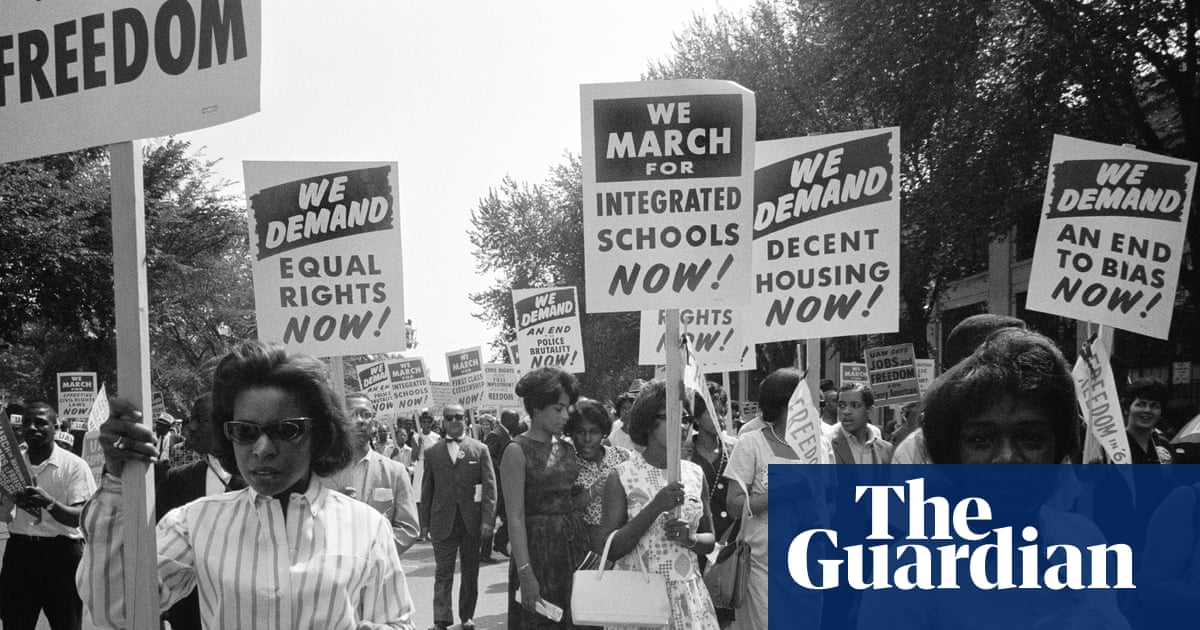
From emancipation to women’s suffrage, from civil rights to Black Lives Matter, mass movement has shaped the arc of American history. Protest has led to the passage of legislation that gave women the right to vote, banned segregation and legalized same-sex marriage. It has also sparked cultural shifts in how Americans perceive things like bodily autonomy, economic inequality and racial bias.
Protests work as a show of force (to the target of the protests) and to generate solidarity and increase numbers (for the protesters).
For them to actually work as a show of force, there has to be a credible threat of violence (or political action) waiting in the wings. All of the successful non-violent protests in the past had this. The idea is that you work with us on these reasonable requests or we put your heads on pikes. Without leverage, the protests are just a means of venting pressure.
Without a connected political action that the energy is channeled into the protests would be ineffective but the political action can be just people voting en masse as long as there are still fair elections where they can do that.