

- cross-posted to:
- [email protected]
From emancipation to women’s suffrage, civil rights and BLM, mass movement has shaped the arc of US history
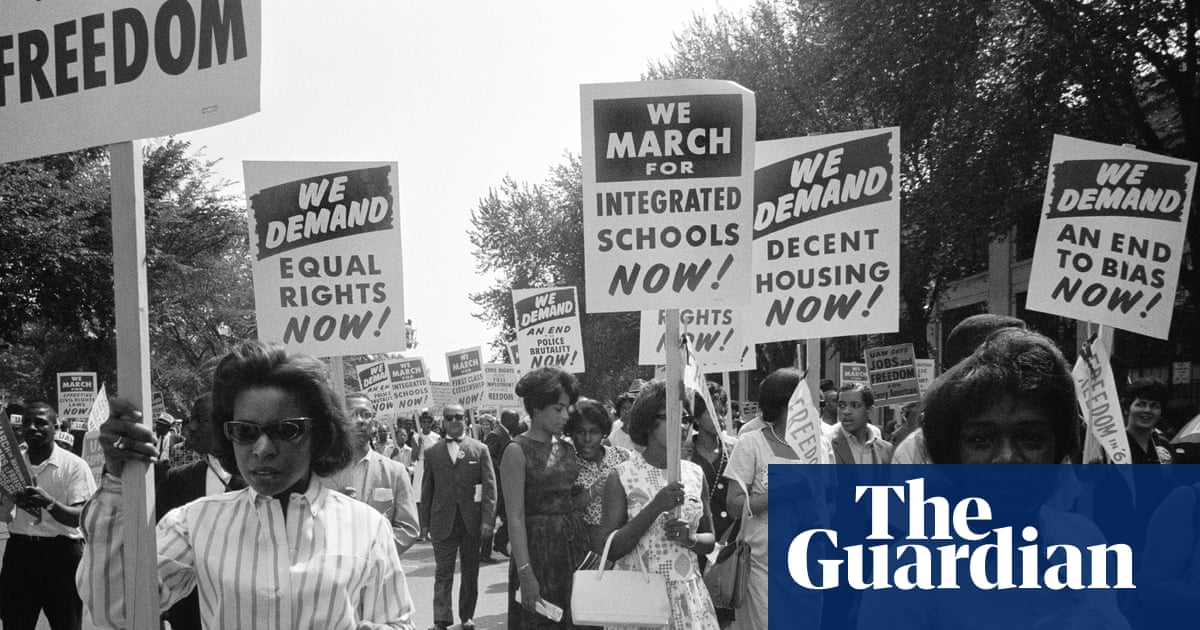
Trump’s first and second terms have been marked by huge protests, from the 2017 Women’s March to the protests for racial justice after George Floyd’s murder, to this year’s No Kings demonstrations. But how effective is this type of collective action?
According to historians and political scientists who study protest: very.
From emancipation to women’s suffrage, from civil rights to Black Lives Matter, mass movement has shaped the arc of American history. Protest has led to the passage of legislation that gave women the right to vote, banned segregation and legalized same-sex marriage. It has also sparked cultural shifts in how Americans perceive things like bodily autonomy, economic inequality and racial bias.
Thank you for sharing.
I’m from Russia, and I’ve seen thousands of people running from the police over a decade ago. I’ve left the country before the big invasion started, but I’ve heard of small, quiet protests, and even quieter, but organized sabotage of railways that run towards the border with Ukraine.
Many people still support Putin, might be hard to stand up to the empowered majority.
But my friends from Belarus participated in mass actions against Lukashenko; we know that the majority doesn’t support him at all, and yet nothing changed.
I’m not saying protest is ineffective, but sometimes it’s not, especially when the time passed and the system hardened.
It’s important to protest, a lot, especially when the situation is not dire yet. Not only when people are desperate, but when they’re in discomfort, when the politicians lie, when our rights are even slightly violated.
Now as a German citizen and resident I go to protests, sign petitions, and participate in other civil actions.