More specifically, an incandescent bulb is a light-emitting PTC thermistor. The resistance of the filament is very low at room temperature, acting like a short circuit. With a lot of current, the filament heats up which causes the resistance to go up as well (PTC = positive temperature coefficient). As the resistance goes up, the current goes down, and the filament reaches an equilibrium temperature.
Incandescent light bulbs can be used as protection devices for repairing electronic equipment. If you make a mistake during the repairs and cause an accidental short circuit inside the device, the incandescent bulb (wired in series with the device) will limit the current based on the wattage of the bulb. 120 Watt bulb on 120 V AC circuit => 1 amp max current through the device. For a 60 W bulb the limit is 0.5 amp.
This is a lot lower current than the usual 15 amps allowed (before tripping the breaker) by a common NA household circuit.
Clarifying that the equipment should always be fixed disconnected from AC, the light bulb is supposed to assist in TESTING the fix, in case something in the equipment is still broken.
We can expand on that a bit. A breaker does not simply open at its rated current. It should actually never open at the rated current. At 2x the current it takes some time. At 10x the rated current it still takes WAY too long. Traces, components, etc. everything are long vaporized at that point. And this makes sense too, they protect the wiring in the house, not devices with unknown power draw and current spikes.

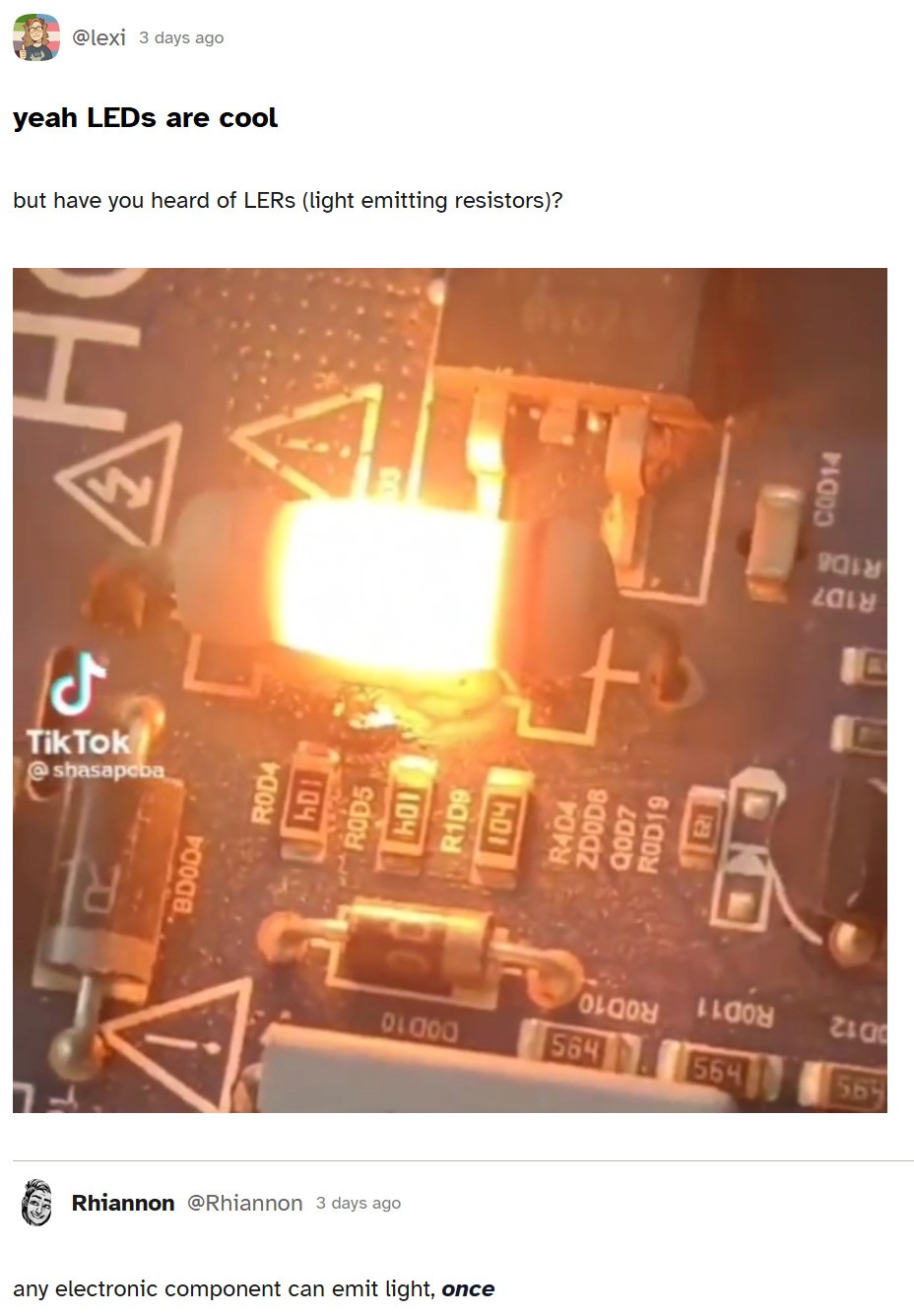
More specifically, an incandescent bulb is a light-emitting PTC thermistor. The resistance of the filament is very low at room temperature, acting like a short circuit. With a lot of current, the filament heats up which causes the resistance to go up as well (PTC = positive temperature coefficient). As the resistance goes up, the current goes down, and the filament reaches an equilibrium temperature.
Incandescent light bulbs can be used as protection devices for repairing electronic equipment. If you make a mistake during the repairs and cause an accidental short circuit inside the device, the incandescent bulb (wired in series with the device) will limit the current based on the wattage of the bulb. 120 Watt bulb on 120 V AC circuit => 1 amp max current through the device. For a 60 W bulb the limit is 0.5 amp.
This is a lot lower current than the usual 15 amps allowed (before tripping the breaker) by a common NA household circuit.
Then it’s not a thermistor, that’s for sensing.
Clarifying that the equipment should always be fixed disconnected from AC, the light bulb is supposed to assist in TESTING the fix, in case something in the equipment is still broken.
We can expand on that a bit. A breaker does not simply open at its rated current. It should actually never open at the rated current. At 2x the current it takes some time. At 10x the rated current it still takes WAY too long. Traces, components, etc. everything are long vaporized at that point. And this makes sense too, they protect the wiring in the house, not devices with unknown power draw and current spikes.