Technology Connections has a great video or three on the subject. People very much underestimate just how much “bad stuff” is given off from burning gas indoors.
And from an anecdotal perspective? I am of Chinese descent and cook with a wok probably 3-4 times a week. I grew up on a shitty resistive heat stove. I have stayed in apartments with gas and with modern resistive heat. I now have an induction stove.
Induction is, hands down, the fastest for boiling water by a very large margin. And I can cook in the summer with minimal worries about making the house way too hot. Don’t get me wrong, gas is fun as hell and I actually ended up getting an outdoor propane burner for the big/fancy wok nights. But there is a lot to be said about people perceiving gas to be a lot more powerful than it is just because it looks powerful.
As for resistive? It is definitely a step down. But… not that much of a step down. Mostly it just maths out to when I turn on the stove. For gas or induction it is a minute or so before I plan to cook. For resistive? Usually when I have maybe one more bit of veg left to prep. As for stir fries? it just means I cook in smaller batches which you generally should be doing anyway unless you have a full industrial kitchen stove (or said outdoor burner). And… you probably still want to because most people (self included) just aren’t coordinated enough to handle a full blown meal and all the positioning to avoid burning or overcooking stuff over the course of a minute or three of actual cook time.
But if you think that consumer grade gas stove is giving you “wok hei”?
Wok hei is something that is almost exclusively about very regional street food and is not actually what you or the white guy you watched on youtube think it is
Your home stove does not provide anywhere near enough heat or open flames to pull that off
your home stove ALSO doesn’t have enough to keep a wok fully “charged” with heat. And what you think is “lack of wok hei” is actually just you overcrowding the pan and steaming things in soggy oil rather than rapidly pan frying it
I will never understand why people will buy twenty tiny bowls so they can properly mise en place every single ingredient before they even look at the stove. But ask them to just get a big serving bowl and keep the components of a stir fry in there after you cook them but before you mix everything together with the sauce? It is like pulling teeth.
I have to learn the basics of stir-fry first! :) I’m a pretty basic cook, but haven’t really tried my hand at stir-fry.
I really appreciate you sharing your knowledge on the wok cooking though, and I didn’t know about the specifics behind wok hei, though I always love that flavor from restaurants.
However, sautéed green beans in cast iron on an induction stove is one of my go-to dishes at home. What I make is NOT 四季荳! I have to go to a restaurant for that lovely dish! There was another thread here on Lemmy we were talking about induction cooking and I had taken some picture that last time I made my green beans. You’re absolutely right on my overcrowding:
And after looking up your comment about wok hei temperatures starting at about 260°C and going as high as 371°C, you’re also absolutely right my regular methods are nowhere near that (but until your post I didn’t know about wok hei specifics). I used a FLIR camera when I was in middle of cooking and you can see I was only at about 150°C. This was the induction element set at 6 or 7 I think:
Yeah… homie, I think you are very much overthinking this.
Understand that “stir fry” is kind of a catch all for how a lot of Chinese folk (I think more the Southern regions but don’t quote me on that) cook. It is conceptually no different than sauteeing some food for dinner and it is 100% a “week night dinner” deal.
Go watch a video or two on what a (home) stir fry should look like. J Kenji Lopez-Alt and Chinese Cooking Demistyfied did a collab a few years back on almost this exact topic. Then… just make sure you are doing that when you cook. If stuff doesn’t sizzle “right” you are adding too much or the heat is too low and you should adjust that. And then, after a few times, it just becomes second nature.
No different than knowing that if you put the meat in the pan and there is no sizzle then you aren’t going to get a good brown and need to raise the heat or wait longer. Similarly, if the oil explodes across the kitchen when you put that thigh down? Maybe turn it down a notch or five.
A lot of this is just what you grew up with. A LOT of people (self included) over-stuff tacos. And I am sure there are people who get confused over how to make a sandwich. Hell, a friend always laughs when I am “over thinking curry” and points out it is just a stew that even kids make and I shouldn’t be measuring anything beyond “two bricks or four”. And stir fries are a lot like that.
Don’t get me wrong. There are some truly heinous things you can do with a wok. But stir fries are almost always what people are talking about when they insist that electric can’t be used for authentic Chinese cooking (and then ignore how much of China actually have electric stoves…).
OH. Another thing people tend to forget: There are flat bottom woks for a reason. Yes, it is less “authentic”. Except… most woks were cheap ass family everything pans and would get dinged and dented anyway. And as long as you are agitating the food, it doesn’t matter if the bottom is perfectly round or has a big flat spot so that the heat can be more directly applied.
I have induction and strugle with this even when not overfilling the pan, as the sides don’t get warm compared to the bottom. I have to make really small portions to manage properly, and mixing together in the end like you mentioned.
Never ever had gas as it’s uncommon here, but I’ll take your word for it not fixing it. Any advice to share, or do I just keep doing it in rounds?
A wok? The raised sides of the wok are not supposed to get too warm. That is actually the “secret” of the pan. You have very centralized heat in the middle and you move things to the edges to just keep them warm while you cook the new ingredients through in the center/bottom.
How much of a gradient does indeed depend on your heat source. The propane tornado of horror in my backyard makes the center ridiculously hot but the edges are no slouch. A campfire is going to be a lesser and more controlled version of that. A smaller gas burner or an induction burner is mostly going to just heat up the center a lot.
But that is also why you let the wok come to temperature, same as any pan. ALL heat sources have hot spots. Some bits of wood burn hotter than other. The actual flame jets from your gas stove are hotter than the ceramic bit on top. Even the flamenado has hot and less hot spots. Hence why you always agitate food. Or, in the case of going for a sear and not understanding why restaraunt chefs insist you only flip once, you rotate/move the pan itself.
Speaking of “wok hei” and “white guys on YouTube”, Alton Brown’s “cooking over a chimney starter” technique sounded to me like the next best alternative to having a proper industrial stove or big outdoor propane burner. Can you confirm or refute?


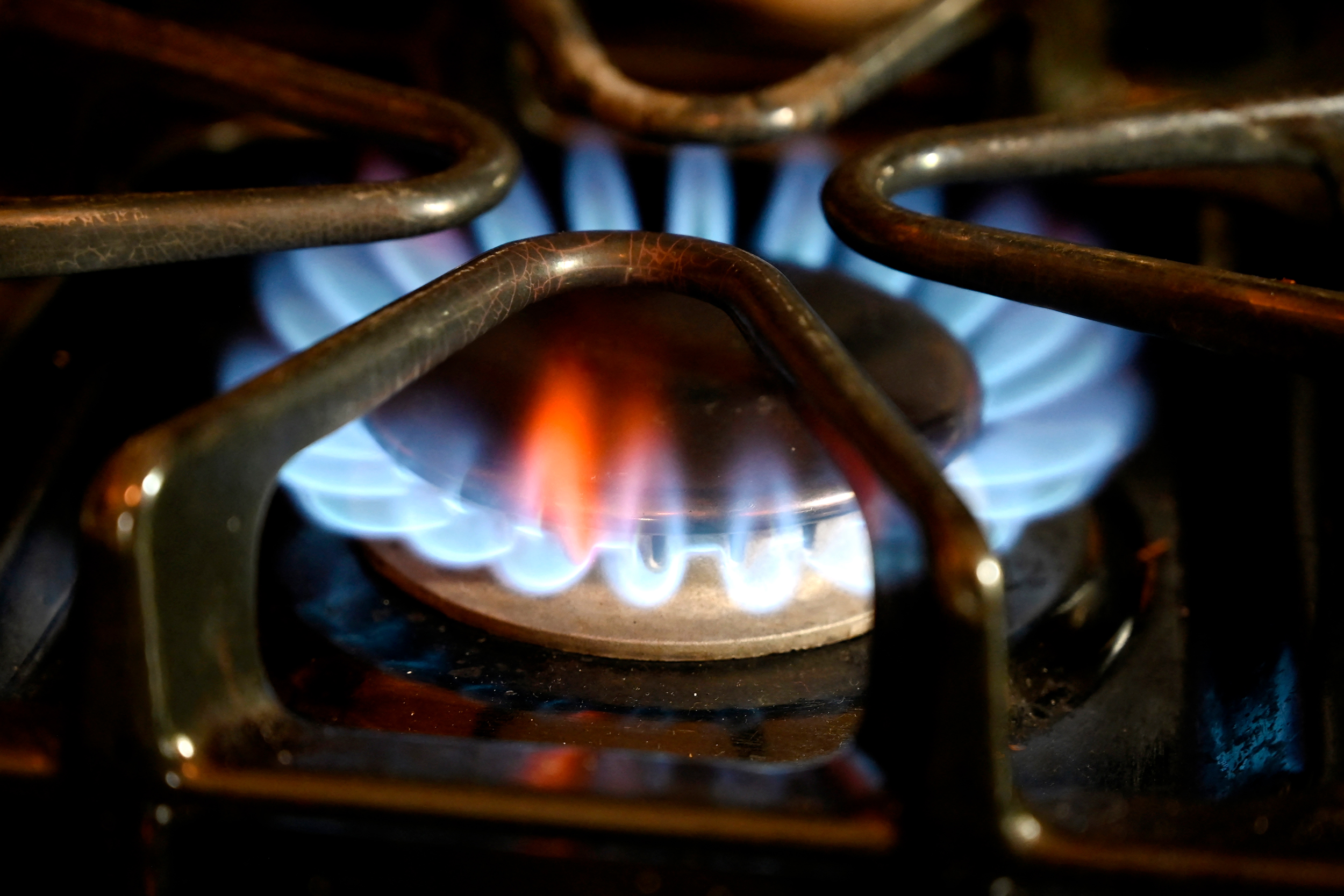
Technology Connections has a great video or three on the subject. People very much underestimate just how much “bad stuff” is given off from burning gas indoors.
And from an anecdotal perspective? I am of Chinese descent and cook with a wok probably 3-4 times a week. I grew up on a shitty resistive heat stove. I have stayed in apartments with gas and with modern resistive heat. I now have an induction stove.
Induction is, hands down, the fastest for boiling water by a very large margin. And I can cook in the summer with minimal worries about making the house way too hot. Don’t get me wrong, gas is fun as hell and I actually ended up getting an outdoor propane burner for the big/fancy wok nights. But there is a lot to be said about people perceiving gas to be a lot more powerful than it is just because it looks powerful.
As for resistive? It is definitely a step down. But… not that much of a step down. Mostly it just maths out to when I turn on the stove. For gas or induction it is a minute or so before I plan to cook. For resistive? Usually when I have maybe one more bit of veg left to prep. As for stir fries? it just means I cook in smaller batches which you generally should be doing anyway unless you have a full industrial kitchen stove (or said outdoor burner). And… you probably still want to because most people (self included) just aren’t coordinated enough to handle a full blown meal and all the positioning to avoid burning or overcooking stuff over the course of a minute or three of actual cook time.
But if you think that consumer grade gas stove is giving you “wok hei”?
Why do you have to call me out like that?! I thought we were friends!
The good news is that is super easy to remedy.
I will never understand why people will buy twenty tiny bowls so they can properly mise en place every single ingredient before they even look at the stove. But ask them to just get a big serving bowl and keep the components of a stir fry in there after you cook them but before you mix everything together with the sauce? It is like pulling teeth.
I have to learn the basics of stir-fry first! :) I’m a pretty basic cook, but haven’t really tried my hand at stir-fry.
I really appreciate you sharing your knowledge on the wok cooking though, and I didn’t know about the specifics behind wok hei, though I always love that flavor from restaurants.
However, sautéed green beans in cast iron on an induction stove is one of my go-to dishes at home. What I make is NOT 四季荳! I have to go to a restaurant for that lovely dish! There was another thread here on Lemmy we were talking about induction cooking and I had taken some picture that last time I made my green beans. You’re absolutely right on my overcrowding:
And after looking up your comment about wok hei temperatures starting at about 260°C and going as high as 371°C, you’re also absolutely right my regular methods are nowhere near that (but until your post I didn’t know about wok hei specifics). I used a FLIR camera when I was in middle of cooking and you can see I was only at about 150°C. This was the induction element set at 6 or 7 I think:
Yeah… homie, I think you are very much overthinking this.
Understand that “stir fry” is kind of a catch all for how a lot of Chinese folk (I think more the Southern regions but don’t quote me on that) cook. It is conceptually no different than sauteeing some food for dinner and it is 100% a “week night dinner” deal.
Go watch a video or two on what a (home) stir fry should look like. J Kenji Lopez-Alt and Chinese Cooking Demistyfied did a collab a few years back on almost this exact topic. Then… just make sure you are doing that when you cook. If stuff doesn’t sizzle “right” you are adding too much or the heat is too low and you should adjust that. And then, after a few times, it just becomes second nature.
No different than knowing that if you put the meat in the pan and there is no sizzle then you aren’t going to get a good brown and need to raise the heat or wait longer. Similarly, if the oil explodes across the kitchen when you put that thigh down? Maybe turn it down a notch or five.
A lot of this is just what you grew up with. A LOT of people (self included) over-stuff tacos. And I am sure there are people who get confused over how to make a sandwich. Hell, a friend always laughs when I am “over thinking curry” and points out it is just a stew that even kids make and I shouldn’t be measuring anything beyond “two bricks or four”. And stir fries are a lot like that.
Don’t get me wrong. There are some truly heinous things you can do with a wok. But stir fries are almost always what people are talking about when they insist that electric can’t be used for authentic Chinese cooking (and then ignore how much of China actually have electric stoves…).
OH. Another thing people tend to forget: There are flat bottom woks for a reason. Yes, it is less “authentic”. Except… most woks were cheap ass family everything pans and would get dinged and dented anyway. And as long as you are agitating the food, it doesn’t matter if the bottom is perfectly round or has a big flat spot so that the heat can be more directly applied.
I have induction and strugle with this even when not overfilling the pan, as the sides don’t get warm compared to the bottom. I have to make really small portions to manage properly, and mixing together in the end like you mentioned.
Never ever had gas as it’s uncommon here, but I’ll take your word for it not fixing it. Any advice to share, or do I just keep doing it in rounds?
A wok? The raised sides of the wok are not supposed to get too warm. That is actually the “secret” of the pan. You have very centralized heat in the middle and you move things to the edges to just keep them warm while you cook the new ingredients through in the center/bottom.
How much of a gradient does indeed depend on your heat source. The propane tornado of horror in my backyard makes the center ridiculously hot but the edges are no slouch. A campfire is going to be a lesser and more controlled version of that. A smaller gas burner or an induction burner is mostly going to just heat up the center a lot.
But that is also why you let the wok come to temperature, same as any pan. ALL heat sources have hot spots. Some bits of wood burn hotter than other. The actual flame jets from your gas stove are hotter than the ceramic bit on top. Even the flamenado has hot and less hot spots. Hence why you always agitate food. Or, in the case of going for a sear and not understanding why restaraunt chefs insist you only flip once, you rotate/move the pan itself.
Speaking of “wok hei” and “white guys on YouTube”, Alton Brown’s “cooking over a chimney starter” technique sounded to me like the next best alternative to having a proper industrial stove or big outdoor propane burner. Can you confirm or refute?