Thank you, but I still don’t get the quote. I see it on the Wikipedia page as the title of the work (which makes sense since he wrote it right on there) and it turns out I remembered quite a bit about him from when Stuff You Missed in History Class did an episode about his life.
I recognize the coincidence of “open your mind” given the psychedelic nature of some his later work, but this isn’t in that style and I question whether anyone was using those words in that way that far back. For one thing, even “psychedelic/psychodelic” wasn’t coined until the mid 50s and then referred only to mind-altering drugs. It was wasn’t used in a general sense (such as to describe an art style) until the 60s which is also when phrases like “blow your mind” and “mind bender” started appearing. I’m just not sure people were thinking in these terms during his life. I did a simple search for “open your mind” with Google Ngram and all I saw in the late 1800s and early 1900s was conventional usage equivalent to “consider other possibilities.”
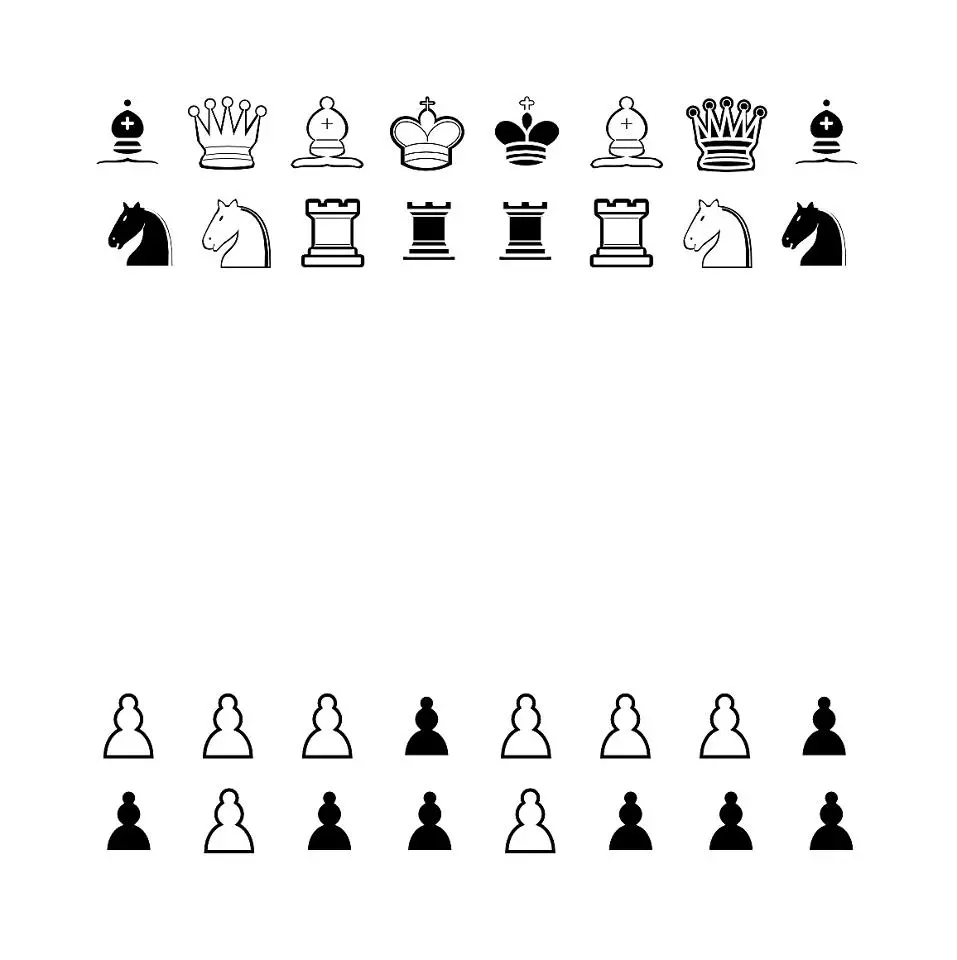
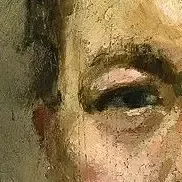

I like it, but I don’t get it
https://en.wikipedia.org/wiki/Louis_Wain
Thank you, but I still don’t get the quote. I see it on the Wikipedia page as the title of the work (which makes sense since he wrote it right on there) and it turns out I remembered quite a bit about him from when Stuff You Missed in History Class did an episode about his life.
I recognize the coincidence of “open your mind” given the psychedelic nature of some his later work, but this isn’t in that style and I question whether anyone was using those words in that way that far back. For one thing, even “psychedelic/psychodelic” wasn’t coined until the mid 50s and then referred only to mind-altering drugs. It was wasn’t used in a general sense (such as to describe an art style) until the 60s which is also when phrases like “blow your mind” and “mind bender” started appearing. I’m just not sure people were thinking in these terms during his life. I did a simple search for “open your mind” with Google Ngram and all I saw in the late 1800s and early 1900s was conventional usage equivalent to “consider other possibilities.”