They only used specific routes for freight, usually only to the closest train station. Only short freight trains ran there, not the 100 cars you can see on classic freight trains. And these routes were designed for that usage, as the factory was there first, and later the city grew it around.
The tram and rail network were heavily connected, in case of a war if the 2 rail bridges would have been blown up, freight trains could have used the tram tracks on the road bridges. Things were designed with a possibility of a nuclear war in mind, similarly how all underground stations could have been used as a nuclear shelter.
Here is an actual map from 1944 showing how freight trains could use the tram network:
Solid lines are train rails, different dashed lines are tram rails and spurs.
This actually didn’t help in WW2, because all bridges were blown up by the retreating nazis at the same time…
Amazing! Moments like this prove to me that Lemmy is ready to replace Reddit. We even have our own trolley historian too.
Really wasn’t expecting to go this deep into troellys when I wrote that first comment. Thanks for the thoughtful and educational replies! Much appreciated.

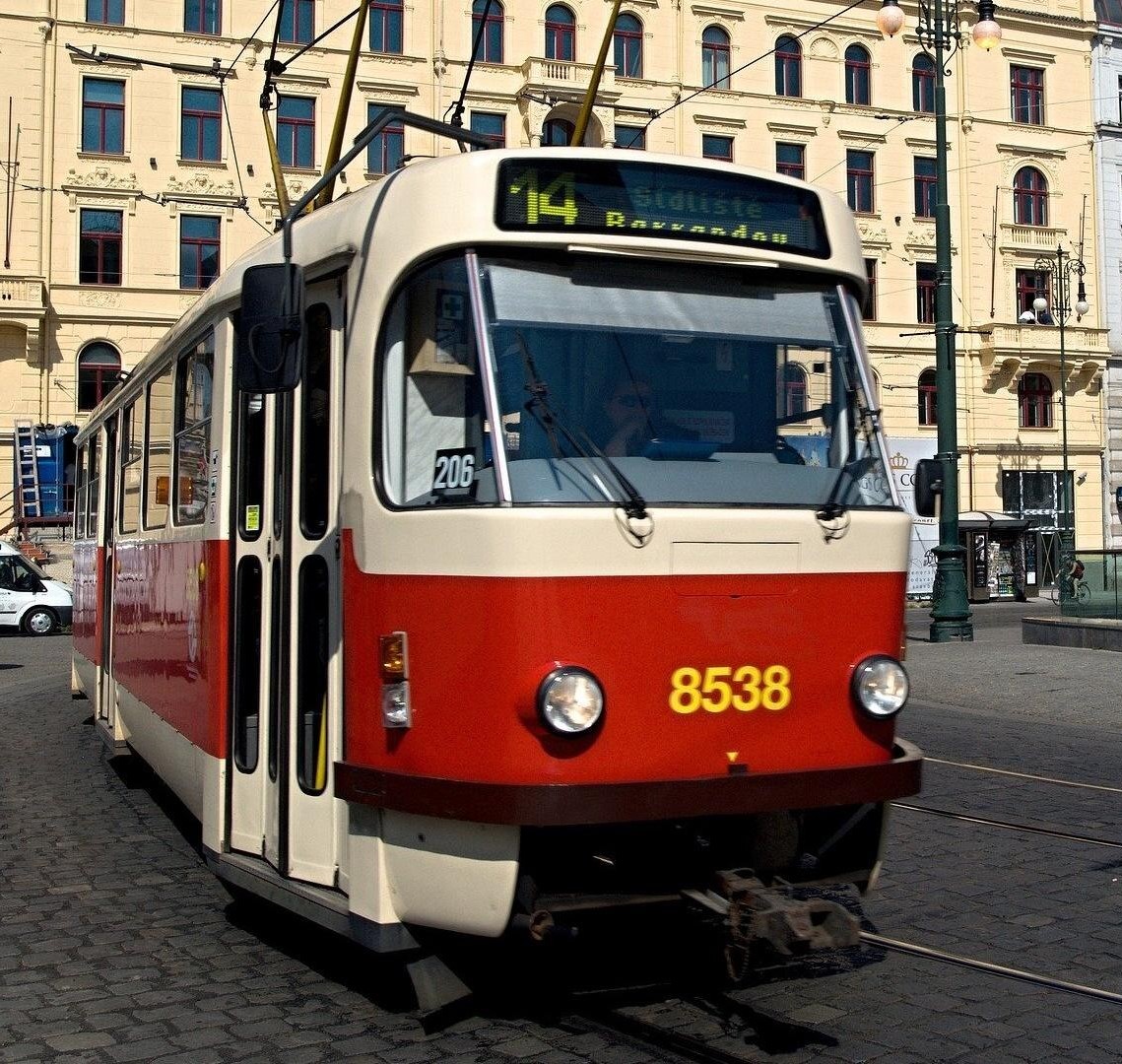
They only used specific routes for freight, usually only to the closest train station. Only short freight trains ran there, not the 100 cars you can see on classic freight trains. And these routes were designed for that usage, as the factory was there first, and later the city grew it around.
The tram and rail network were heavily connected, in case of a war if the 2 rail bridges would have been blown up, freight trains could have used the tram tracks on the road bridges. Things were designed with a possibility of a nuclear war in mind, similarly how all underground stations could have been used as a nuclear shelter.
Here is an actual map from 1944 showing how freight trains could use the tram network:
Solid lines are train rails, different dashed lines are tram rails and spurs.
This actually didn’t help in WW2, because all bridges were blown up by the retreating nazis at the same time…
Amazing! Moments like this prove to me that Lemmy is ready to replace Reddit. We even have our own trolley historian too.
Really wasn’t expecting to go this deep into troellys when I wrote that first comment. Thanks for the thoughtful and educational replies! Much appreciated.