The Japanese kept the traditional forms but that doesn’t mean that they share the same meanings or that the Kanji are used in the same contexts to refer to the same things. The videos I shared touch on this. For example, 大丈夫 would confuse any Chinese reader of they had never come across the phrase before.
The pronunciations also evolved in Japanese. Kanji often have multiple on-yomi (Chinese) readings that changed depending on the era and the contemporary culture. And even then, those were interpretations of the Chinese pronunciations which sometimes don’t sound anything like Chinese.
I recommend reading the Kanji blog Fuusen no Arare if you study Japanese. It usually separates the on-yomi readings into go-on and kan-on, which are usually lumped together in other sources.


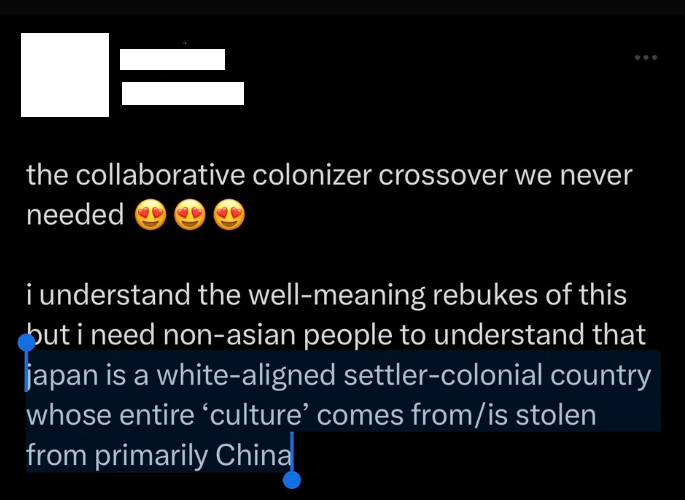
The Japanese kept the traditional forms but that doesn’t mean that they share the same meanings or that the Kanji are used in the same contexts to refer to the same things. The videos I shared touch on this. For example, 大丈夫 would confuse any Chinese reader of they had never come across the phrase before.
The pronunciations also evolved in Japanese. Kanji often have multiple on-yomi (Chinese) readings that changed depending on the era and the contemporary culture. And even then, those were interpretations of the Chinese pronunciations which sometimes don’t sound anything like Chinese.
I recommend reading the Kanji blog Fuusen no Arare if you study Japanese. It usually separates the on-yomi readings into go-on and kan-on, which are usually lumped together in other sources.
http://huusennarare.cocolog-nifty.com/