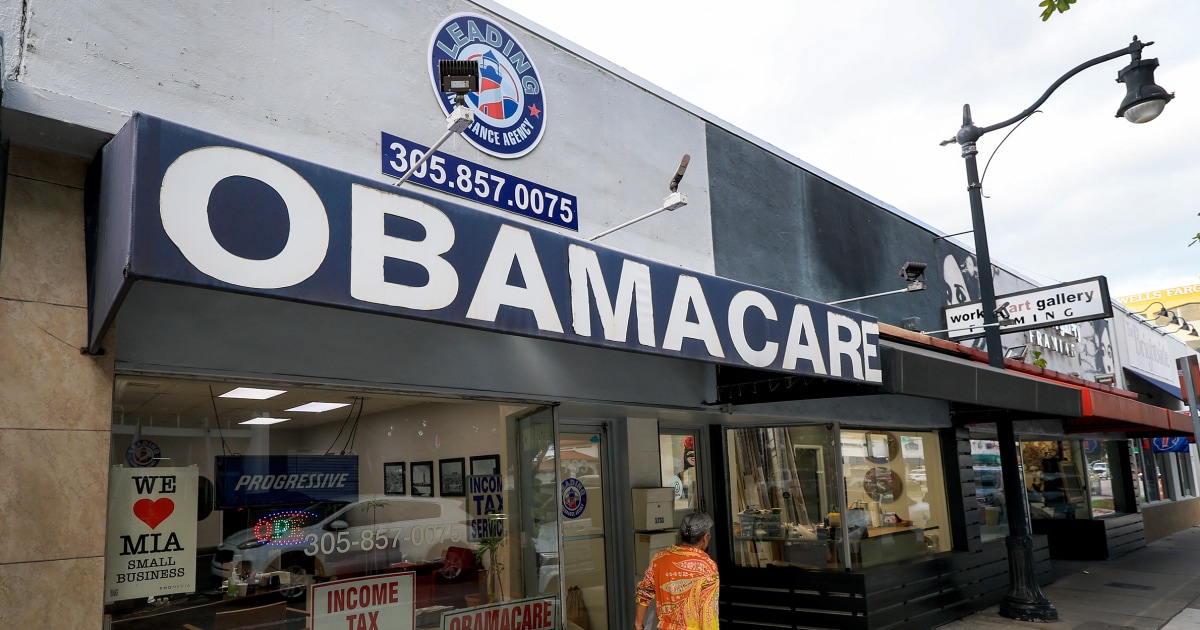
Early state data reflects signs of financial strain for people who can’t afford to pay hundreds of dollars more in monthly premiums once enhanced federal subsidies expire at the end of the year.
I noticed you mentioned that insurance has always “cost me more than it saved me”. I feel like this is a fundamental issue in how Americans think about health insurance.
I’m sure many Americans do look at health insurance in that one singular way, no different than how some people are single issue voters. However, taking that phrase out of the context I presented it misses out on the statement I was making.
For people in my situation, we’re fully aware that insurance of all types generally costs more than you get out. And I think most Americans understand that fundamentally, at least to some degree, but that’s not super relevant one way or the other.
Either way, the point I was making is that not everyone is being forced out of coverage, many of us are opting out or at least considering it.
We do have to look at it from the lens of cost versus value. It’s not that I can’t afford to go to the doctor and buy my healthcare supplies without insurance, it’s that I might not be able to afford to those things if I’m also paying for insurance. Basically, it has to save me more than it costs in my situation. But the other aspect of this decision that gets lost if you only focus on the “cost me more than it saved me” is that the plan would need to offer meaningful financial protection against disaster (i.e. the traditional role of insurance), but with maximum out of pocket amounts being so high, there’s little to no value there. Which means the affordability part (i.e. costs more than it saves) becomes a much more important aspect to consider.

I’m sure many Americans do look at health insurance in that one singular way, no different than how some people are single issue voters. However, taking that phrase out of the context I presented it misses out on the statement I was making.
For people in my situation, we’re fully aware that insurance of all types generally costs more than you get out. And I think most Americans understand that fundamentally, at least to some degree, but that’s not super relevant one way or the other.
Either way, the point I was making is that not everyone is being forced out of coverage, many of us are opting out or at least considering it.
We do have to look at it from the lens of cost versus value. It’s not that I can’t afford to go to the doctor and buy my healthcare supplies without insurance, it’s that I might not be able to afford to those things if I’m also paying for insurance. Basically, it has to save me more than it costs in my situation. But the other aspect of this decision that gets lost if you only focus on the “cost me more than it saved me” is that the plan would need to offer meaningful financial protection against disaster (i.e. the traditional role of insurance), but with maximum out of pocket amounts being so high, there’s little to no value there. Which means the affordability part (i.e. costs more than it saves) becomes a much more important aspect to consider.