Because deontology says the act of causing harm should be inherently bad, but utilitarianism says you should do what creates the most good.
I can’t side with utilitarianism for the example of killing a healthy person to harvest organs for multiple dying patients. For the powerful who gladly profit off of the suffering of millions and the destruction of our environment… it’s harder to say utilitarianism feels wrong.
My stance on that example is that it is consistent with utilitarianism to not harvest healthy people because the mere act of doing so causes harm to all the other healthy people that weren’t harvested in the for of fear that they could be at some later point down the line.
Utilitarianism as a philosophy is basically the acknowledgement that life is messy and trying to come up with universal rules of behaviour for all scenarios is basically impossible. So they essentially went “fuck it” and came up with a philosophy that revels in the fact that it has no regard for nuance or situational contingencies.
Anybody who actually lived like that would be a monumental pain in the arse.
I don’t remember where exactly, but I’ve encountered an hybrid approach that balances utilitarianism with deontology. It goes something like this:
Generally do what brings the most utility. But…
People have “deontological protections” - basic human rights that you are not allowed to infringe upon even if it is for the greater good. But…
One’s deontological protections can be bypassed if said “greater good” is solving a mess they are responsible for.
Take, for example, the case of a mass shooter. Utilitarianism says you are allowed to take them down if that’s the only way to save their victims. Naive deontology says you are not allowed to kill whatsoever. The approach I’ve just presented says that we can go with utilitarianism in this case - but only because the shooter is one responsible for this mess so it’s okay to harm them for the greater good.
Note that it does not say it’s okay to kill them otherwise. If you manage to capture them, an other lives are no longer in risk, both deontology and utilitarianism will agree you are not allowed to kill them.
Let’s go back to the classic Trolley Problem. Is the person tied to the second track responsible for the situation? No - they are a victim. They are not stripped from their deontological protection, and therefore you are not allowed to sacrifice them in order to save the other five.
Back to the case in hand. We need to ask the following questions:
Does the suffering of the employees outweigh the life of the CEO?
Does the death of the CEO stop the suffering of the employees?
Is the CEO responsible for the suffering of the employees?
If the answer to all three questions is “yes” - then what’s the problem?
What about decreasing the harm of the employees by suing him or reporting him to the state labor board or even just kicking his ass or any combination thereof. The above seems overly simplistic.
I can’t side with utilitarianism for the example of killing a healthy person to harvest organs for multiple dying patients.
That’s because utilitarianism has a silent other half to the problem, which is something like confidence.
Can you judge the value of one life against another? Can you do it with accurate assessment of your own perception? How much harm is introduced to the equation if you’re wrong? How likely are you wrong?
Killing one healthy person to save 5 others doesn’t meet the utilitarian standard because you’re destroying one innocent life for parts. Parts that could maybe save others… But you can put a price on organs. You can’t undo the harm of killing someone
In fact, even considering it isn’t utilitarian. The time and energy spent on weighing the value of a life vs the value of the meat should be spent on looking for solutions
Even if there is no other solution no human can truly know that…
But sometimes the numbers do become statistics. Like the trolley problem… There is a very predictable result, if you knew of a way to stop the trolley there’s no need for considering it, and you have to make a snap decision. You have to weigh their lives against each other, knowing you have limited knowledge
But the more people on one set of tracks, the easier that math becomes. There’s no line - it’s all subjective. They’re not numbers, they’re people… But the bigger the number disparity, the easier it is to answer the question
And pulling the lever is competence check too. How sure are you that you understand the situation properly? Because maybe everything is fine, and you’re about to get someone killed out of your own stupidity
And to bring it all home… One life sure as hell isn’t worth the suffering and death of tens of millions. That’s easy math.
But is the situation that simple? Would the killing of one actually save millions? I sure as hell don’t know. It’s very situational
So if someone else pulls the lever I think it’s perfectly ethical to support them, hoping that their judgement is correct, while also not being confident enough to ever pull the lever yourself
If doctors regularly harvest healthy people’s organs nobody goes to the doctor. The families of the harvested regularly kill themselves, recipients, and doctors, and sometimes go on mass shooting sprees. Everyone lives in fear. Nobody on earth would want to live in such a community so all the best and most mobile folks leave. Others organize against it and can only be suppressed by a fascist dystopia.
It’s only actually a dilemma when considered in absolute isolation. Its against utility to harvest the organs in the sense that the system required to effect it is a massive negative.
Screw utilitarianism. At this point it’s fucking self defence. Either those parasites stop existing, or everyone will. They’re dead anyway, might as well save everyone else.
In recent years we have become increasingly familiar with the thought of death. We ourselves are surprised by the composure with which we accept the news of the death of our contemporaries. We can no longer hate Death so much; we have discovered something of kindness in his features and are almost reconciled to him.
It’s not you, it’s the world changing around you, or perhaps the world perceiving to change around you. I’m not sure the world has changed all that much, I think a lot of it is just us having better optics than we ever had. Rockefeller and Vanderbilt probably indirectly hurt/killed more people, but it wasn’t broadcast as easily as it is now.
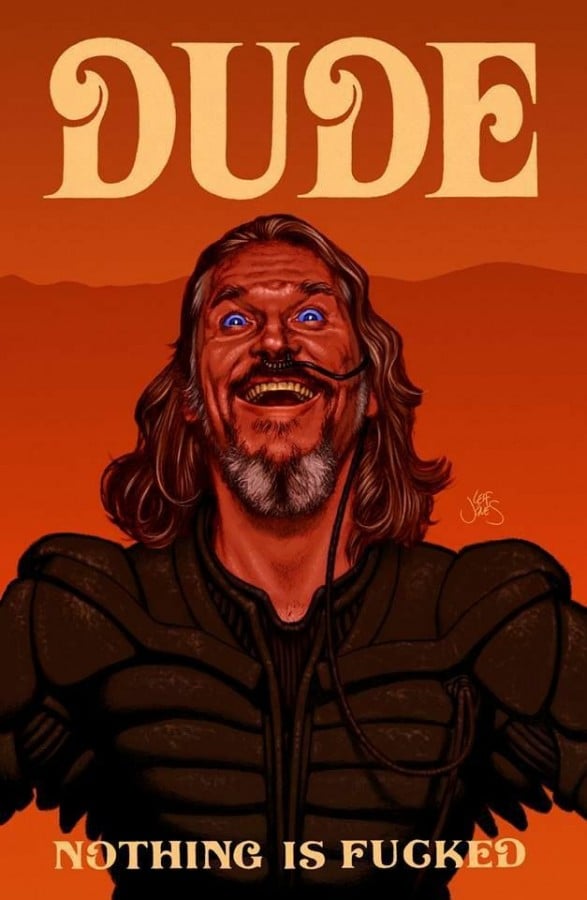

I’m not… Sad. Normally I should be sad. I feel like humanity offers less and less. I cheered Luigi, and now I’m like “yeah, I get it” … wtf
Because deontology says the act of causing harm should be inherently bad, but utilitarianism says you should do what creates the most good.
I can’t side with utilitarianism for the example of killing a healthy person to harvest organs for multiple dying patients. For the powerful who gladly profit off of the suffering of millions and the destruction of our environment… it’s harder to say utilitarianism feels wrong.
My stance on that example is that it is consistent with utilitarianism to not harvest healthy people because the mere act of doing so causes harm to all the other healthy people that weren’t harvested in the for of fear that they could be at some later point down the line.
Utilitarianism as a philosophy is basically the acknowledgement that life is messy and trying to come up with universal rules of behaviour for all scenarios is basically impossible. So they essentially went “fuck it” and came up with a philosophy that revels in the fact that it has no regard for nuance or situational contingencies.
Anybody who actually lived like that would be a monumental pain in the arse.
I don’t remember where exactly, but I’ve encountered an hybrid approach that balances utilitarianism with deontology. It goes something like this:
Take, for example, the case of a mass shooter. Utilitarianism says you are allowed to take them down if that’s the only way to save their victims. Naive deontology says you are not allowed to kill whatsoever. The approach I’ve just presented says that we can go with utilitarianism in this case - but only because the shooter is one responsible for this mess so it’s okay to harm them for the greater good.
Note that it does not say it’s okay to kill them otherwise. If you manage to capture them, an other lives are no longer in risk, both deontology and utilitarianism will agree you are not allowed to kill them.
Let’s go back to the classic Trolley Problem. Is the person tied to the second track responsible for the situation? No - they are a victim. They are not stripped from their deontological protection, and therefore you are not allowed to sacrifice them in order to save the other five.
Back to the case in hand. We need to ask the following questions:
If the answer to all three questions is “yes” - then what’s the problem?
What about decreasing the harm of the employees by suing him or reporting him to the state labor board or even just kicking his ass or any combination thereof. The above seems overly simplistic.
That’s because utilitarianism has a silent other half to the problem, which is something like confidence.
Can you judge the value of one life against another? Can you do it with accurate assessment of your own perception? How much harm is introduced to the equation if you’re wrong? How likely are you wrong?
Killing one healthy person to save 5 others doesn’t meet the utilitarian standard because you’re destroying one innocent life for parts. Parts that could maybe save others… But you can put a price on organs. You can’t undo the harm of killing someone
In fact, even considering it isn’t utilitarian. The time and energy spent on weighing the value of a life vs the value of the meat should be spent on looking for solutions
Even if there is no other solution no human can truly know that…
But sometimes the numbers do become statistics. Like the trolley problem… There is a very predictable result, if you knew of a way to stop the trolley there’s no need for considering it, and you have to make a snap decision. You have to weigh their lives against each other, knowing you have limited knowledge
But the more people on one set of tracks, the easier that math becomes. There’s no line - it’s all subjective. They’re not numbers, they’re people… But the bigger the number disparity, the easier it is to answer the question
And pulling the lever is competence check too. How sure are you that you understand the situation properly? Because maybe everything is fine, and you’re about to get someone killed out of your own stupidity
And to bring it all home… One life sure as hell isn’t worth the suffering and death of tens of millions. That’s easy math.
But is the situation that simple? Would the killing of one actually save millions? I sure as hell don’t know. It’s very situational
So if someone else pulls the lever I think it’s perfectly ethical to support them, hoping that their judgement is correct, while also not being confident enough to ever pull the lever yourself
If doctors regularly harvest healthy people’s organs nobody goes to the doctor. The families of the harvested regularly kill themselves, recipients, and doctors, and sometimes go on mass shooting sprees. Everyone lives in fear. Nobody on earth would want to live in such a community so all the best and most mobile folks leave. Others organize against it and can only be suppressed by a fascist dystopia.
It’s only actually a dilemma when considered in absolute isolation. Its against utility to harvest the organs in the sense that the system required to effect it is a massive negative.
Screw utilitarianism. At this point it’s fucking self defence. Either those parasites stop existing, or everyone will. They’re dead anyway, might as well save everyone else.
It’s not you, it’s the world changing around you, or perhaps the world perceiving to change around you. I’m not sure the world has changed all that much, I think a lot of it is just us having better optics than we ever had. Rockefeller and Vanderbilt probably indirectly hurt/killed more people, but it wasn’t broadcast as easily as it is now.