
- cross-posted to:
- [email protected]
- [email protected]
- cross-posted to:
- [email protected]
- [email protected]
You must log in or register to comment.
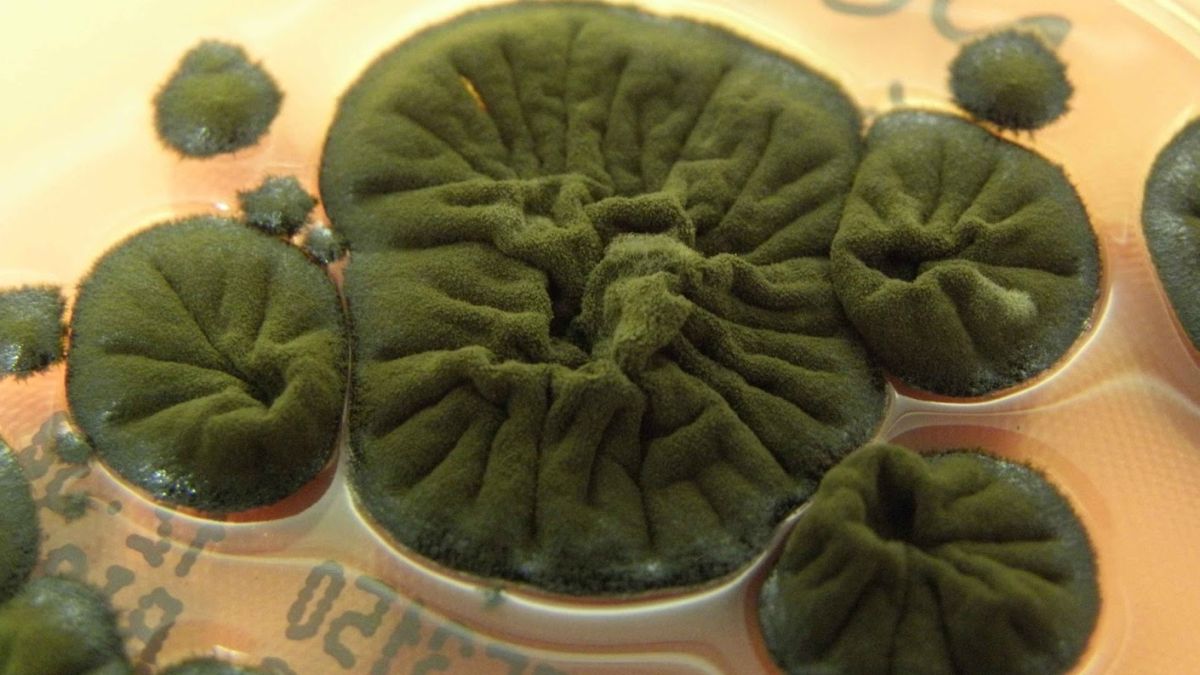
This appears to be supported by the findings of a 2022 paper, in which scientists describe the results of taking C. sphaerospermum into space and strapping it to the exterior of the ISS, exposing it to the full brunt of cosmic radiation.
There, sensors placed beneath the petri dish showed that a smaller amount of radiation penetrated through the fungi than through an agar-only control.
The aim of that paper was not to demonstrate or investigate radiosynthesis, but to explore the fungus’s potential as a radiation shield for space missions, which is a cool idea. But, as of that paper, we still don’t know what the fungus is actually doing.
That’s where it seems really cool to me. If we have nuclear spacecraft or even just passive cosmic radiation exposure, what’s otherwise a waste/threat could become a factory. Reinforcing the hull with a regenerative radiation shield, genetically engineering it like E. coli to biosynthesise needed compounds, mass producing it as food for something we can eat- it’d be so useful to have something like that in space where you’re surrounded by energy you can’t use.
What if radiation eating fungi was amongst the first life on earth
Also, it might be possible to engineer life forms that can actually survive and even thrive in space.