

…
Following weeks of debate over whether Europe will use Russia’s frozen assets to finance a loan for Ukraine, the EU’s top diplomat expressed confidence on Monday that EU officials can get Belgium on board.
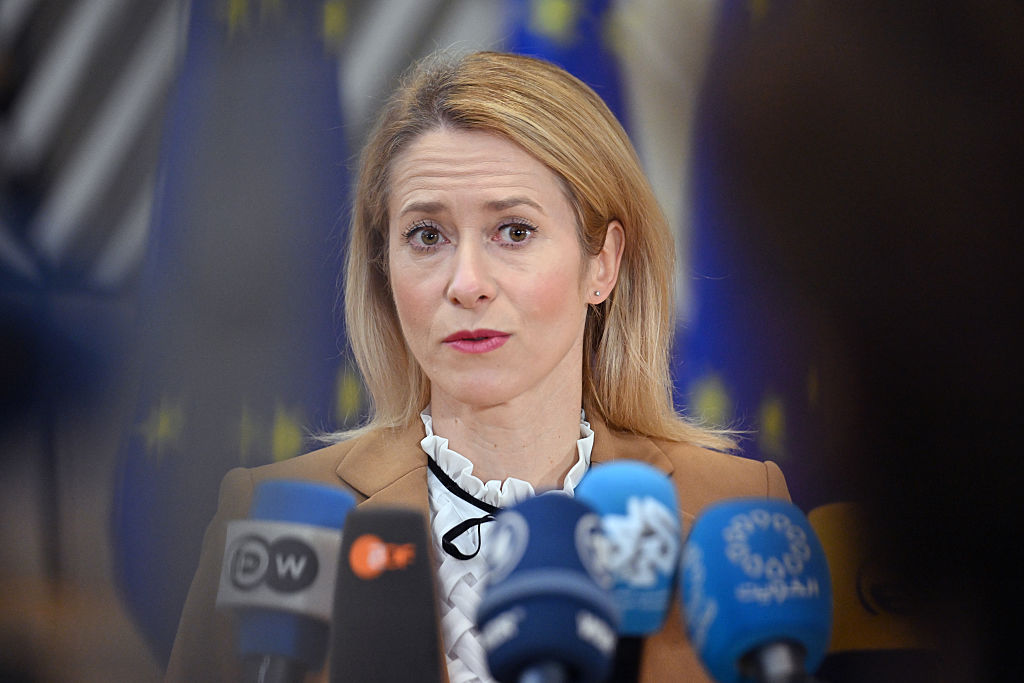
“I don’t in any way diminish the worries that Belgium has, but we can address those,” said Kaja Kallas, the EU’s high representative for foreign affairs, at a press conference.
Belgian Prime Minister Bart De Wever has emerged as the primary opponent of the plan. The majority of Russian frozen assets are held in the Belgium-based financial clearing house Euroclear, and De Wever has argued that his county could face legal or financial ramifications if Russia brings the issue to court.
…
The Commission is still signalling it will present a legal text on how the scheme would work, including how Europe would collectively shoulder the ramifications De Wever is concerned about. A Commission spokesperson said on Monday the proposal would be presented in the “coming days.”
…
If Russia brings something to court, couldn’t Belgium just ignore it?
I am not a legal expert, but I guess if one files a lawsuit against you then you’ll have to at least defend yourself, at least in Western democracies. So as a legal layman I would say simply ignoring might not be an option.
Experts now apparently have found a legal way to use Russian asset as collateral for this reparation loan.
A quick reminder that Russia has already seized (seized, not frozen!) Western assets within Russia of around 50 billion euros. The Kremlin introduced ‘rules’ that allowed it to confiscate assets of what it called ‘unfriendly countries’ as early as 2023. Among the affected Western companies whose assets were seized are Carlsberg and Danone, based in Denmark and France respectively. Both companies were ‘punished’ - according to the Kremlin - for halting their business in Russia.